
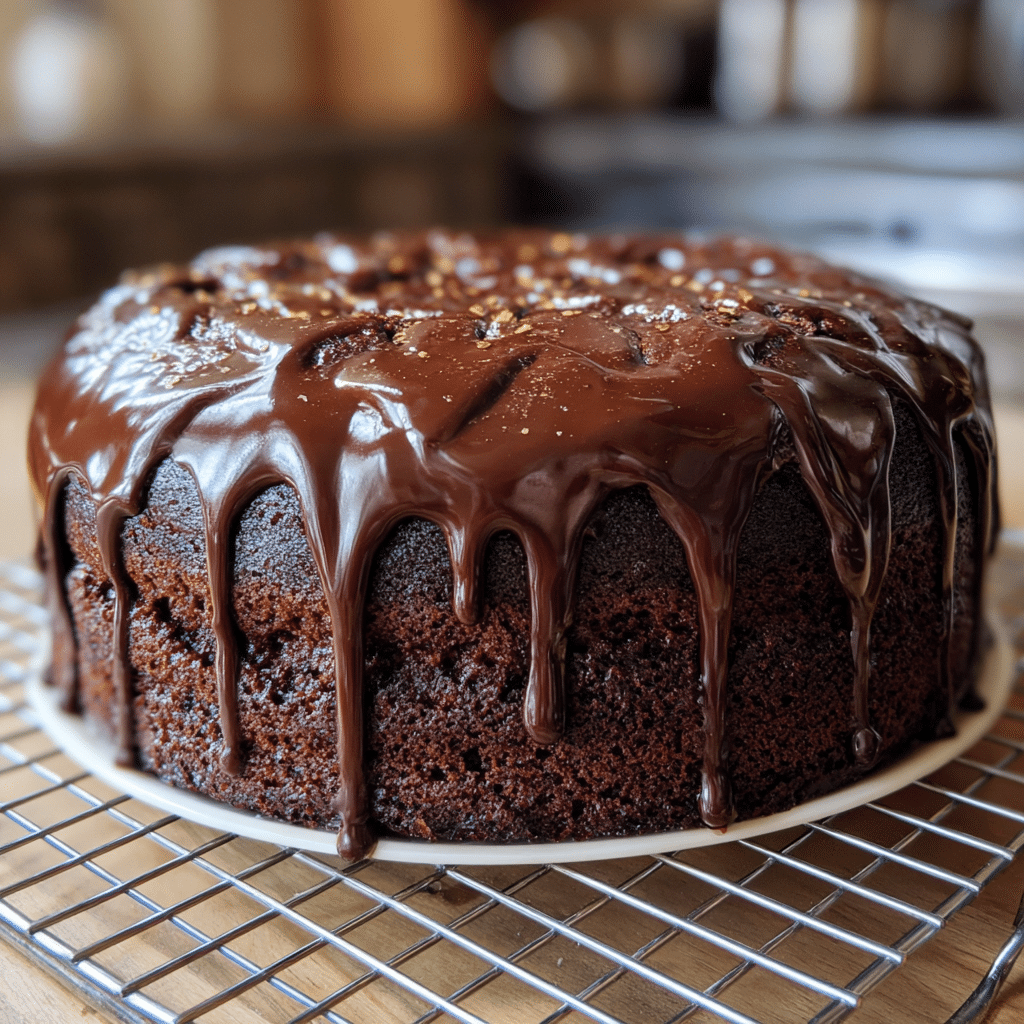
Why You’ll Love This Guide
If you’ve ever baked a cake that turned out dry, you’re not alone. Achieving a moist, tender cake is the goal of every baker, and it’s easier than you might think! The key to a moist cake lies in a combination of the right ingredients, proper mixing, and baking techniques. Whether you’re making a simple vanilla cake, a decadent chocolate layer cake, or a sponge cake, the following tips will help you create cakes that are light, fluffy, and full of flavor. I’ve tried various methods over the years, and I can confidently say these tips work wonders in delivering cakes that stay moist for days. Let’s dive into the best practices to guarantee your cake comes out perfectly moist every time.
Print
How to Make a Moist Cake – Tips and Techniques for Perfectly Soft Cakes
- Total Time: 45 minutes
- Yield: 8 servings
- Diet: Vegetarian
Description
A guide to making a moist and tender cake with tips on using the right ingredients and baking techniques to ensure your cake stays soft and fluffy.
Ingredients
- 2 1/2 cups cake flour
- 2 1/2 tsp baking powder
- 1/2 tsp salt
- 1/2 cup butter (softened)
- 1 1/2 cups sugar
- 4 large eggs
- 1 tsp vanilla extract
- 1 cup milk (whole milk or buttermilk works best)
Instructions
- Preheat the oven to 350°F (175°C) and grease and flour your cake pans.
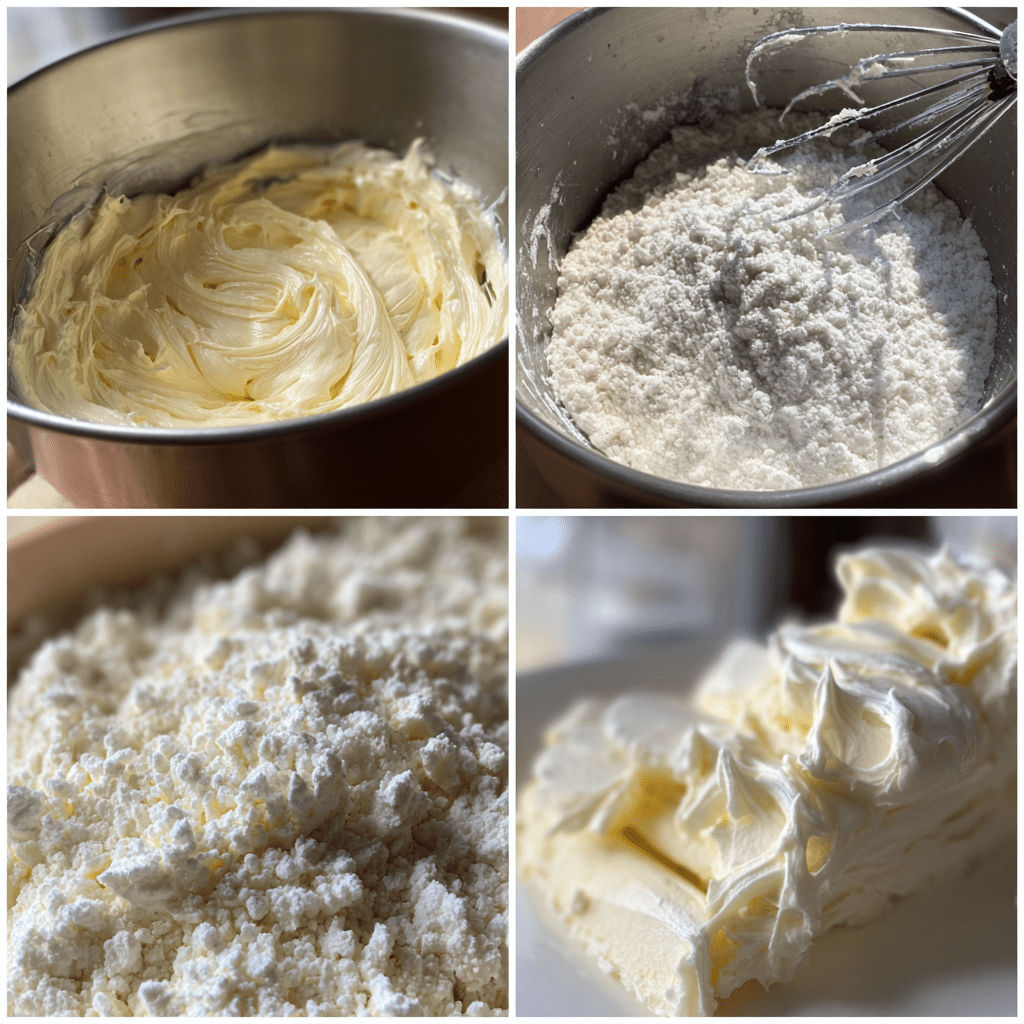
- In a bowl, whisk together cake flour, baking powder, and salt.
- In a separate bowl, cream together butter and sugar until light and fluffy. Add eggs one at a time, mixing well after each addition.
- Add vanilla extract and mix.
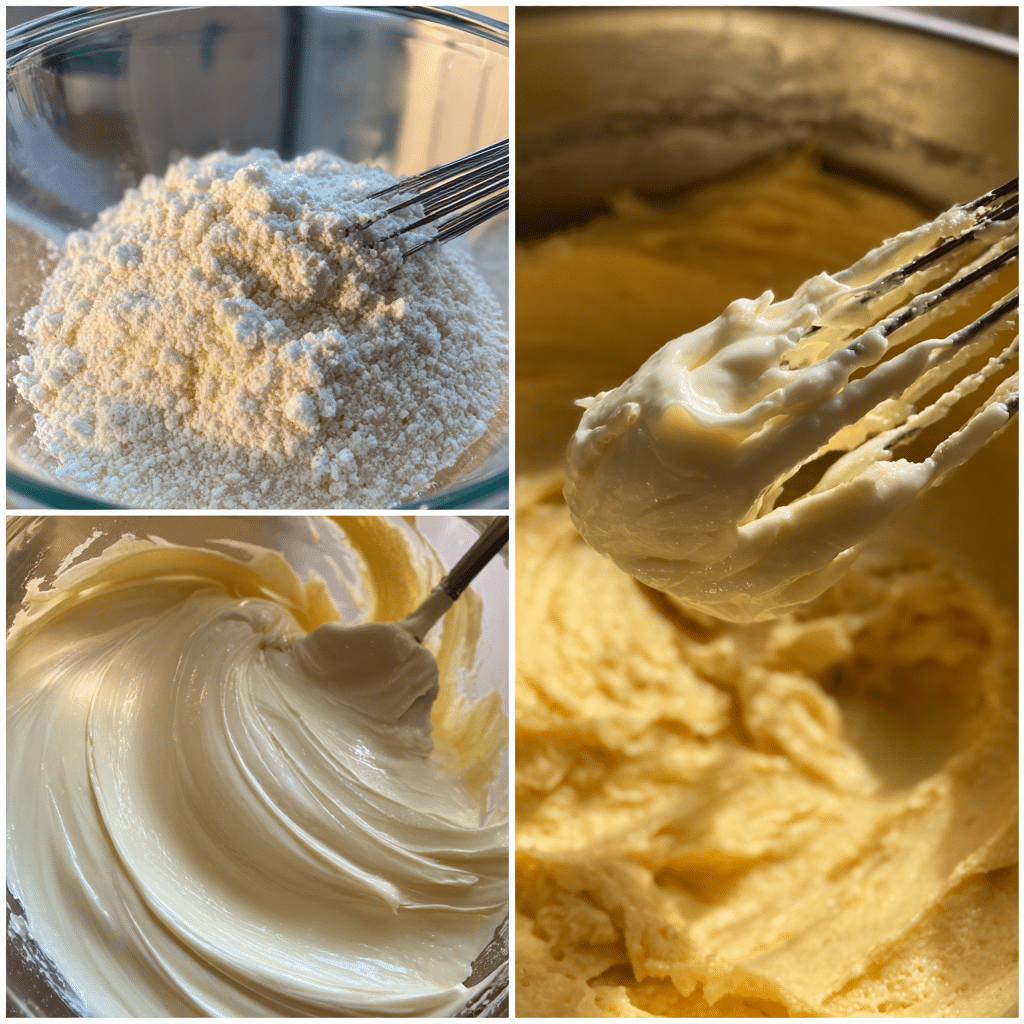
- Alternately add the dry ingredients and milk to the wet ingredients, beginning and ending with the dry ingredients. Mix until just combined.
- Pour batter into the prepared pans and bake for 25-30 minutes, or until a toothpick inserted in the center comes out clean.
- Cool in the pans for 10 minutes, then transfer to a wire rack to cool completely.
Notes
- For a lighter texture, use cake flour instead of all-purpose flour.
- Ensure your butter is softened to room temperature for smooth mixing.
- For added flavor and moisture, you can use buttermilk instead of regular milk.
- If you prefer a richer flavor, consider adding a tablespoon of sour cream or applesauce to the batter.
- Prep Time: 15 minutes
- Cook Time: 30 minutes
- Category: Dessert
- Method: Baking
- Cuisine: American
Ingredients Breakdown
(Tip: You can find the complete list of ingredients and their measurements in the recipe card below.)
Flour
Flour is the backbone of any cake, and the type of flour you use can greatly impact the texture. All-purpose flour is commonly used in cake recipes, but cake flour (with a lower protein content) produces a lighter, softer crumb. For extra moisture, you can substitute part of the flour with almond flour or other nut flours. The key is to avoid over-mixing, which can result in a denser cake.
Sugar
Sugar does more than sweeten your cake—it helps retain moisture. Granulated sugar is most common, but using a bit of brown sugar can increase moisture because it contains molasses. The extra moisture from the brown sugar will help keep your cake softer and more tender. Additionally, consider using honey or syrup as a sweetener, which also adds moisture to the batter.
Fat (Butter, Oil, or Yogurt)
Fat plays an important role in keeping a cake moist. Butter provides flavor and richness, while oil tends to make cakes more moist and tender, as oil remains liquid at room temperature. For an extra-moist cake, you can use a combination of both. Yogurt or sour cream also works wonders in cakes, contributing moisture while enhancing the flavor. The key is using enough fat to keep the texture soft.
Eggs
Eggs contribute structure, moisture, and richness to the cake. They help to bind the ingredients together while also adding moisture. For a fluffier texture, you can use egg whites and egg yolks separately, but typically, whole eggs are the most effective for maintaining a balance of moisture and structure. If you’re looking for an even moister cake, consider adding an extra egg.
Milk
Milk adds moisture and helps dissolve the dry ingredients. Full-fat milk or buttermilk is ideal for a rich, moist cake. Buttermilk adds a slight tang while making the cake more tender, and it reacts with baking soda to make the cake rise even more. If you’re looking to create a lighter texture, try almond milk or coconut milk for subtle flavors and a different moisture profile.
Baking Powder or Baking Soda
The leavening agents you use will also affect the moisture of your cake. Baking soda can create a softer crumb, especially when combined with an acidic ingredient like buttermilk. Baking powder helps with the rise, creating a light and airy cake. Always measure leavening agents accurately to avoid a dry cake or one that doesn’t rise properly.
Flavorings and Add-ins
Vanilla extract or almond extract adds flavor to your cake, and ingredients like chocolate chips, fruit, or nuts can contribute to the moisture. Fresh ingredients like berries, applesauce, or even pureed vegetables can increase the moisture content of your cake, making it more tender and juicy.
Directions
Step-by-Step Cooking Instructions
- Prepare Your Ingredients
Ensure that all ingredients are at room temperature. Cold eggs, butter, or milk can cause the batter to curdle, which will result in a dense, dry cake. Bring the eggs, butter, and milk to room temperature before starting. - Mix the Dry Ingredients
In a medium bowl, whisk together your dry ingredients, including the flour, baking powder, and salt. This helps ensure the leavening agents are evenly distributed throughout the flour. - Cream the Butter and Sugar
In a separate bowl, beat the butter and sugar together until light and fluffy. This is a critical step—creaming the butter and sugar helps incorporate air into the batter, which results in a light, airy cake. If you’re using brown sugar, the batter will be a bit denser, but it will retain moisture better. - Add the Eggs and Wet Ingredients
Add the eggs one at a time, beating well after each addition. This ensures the eggs are fully incorporated and helps with the texture of the cake. Gradually add the milk and any flavorings (such as vanilla or lemon zest) and mix until smooth. - Incorporate the Dry Ingredients
Slowly add the dry ingredients into the wet ingredients, mixing until just combined. Over-mixing at this stage can cause the cake to become tough, so stir gently and avoid overworking the batter. - Bake the Cake
Pour the batter into a greased cake pan, ensuring it is evenly spread out. Bake at 350°F (175°C) for 25-30 minutes or until a toothpick inserted into the center comes out clean. For the best results, bake in the center of the oven to ensure even cooking. - Cool the Cake
Allow the cake to cool in the pan for 10 minutes before transferring it to a wire rack to cool completely. This helps set the cake and prevents it from falling apart.
Equipment needed :
Must-Have Tools to Get Rolling
Here’s what you’ll want to have on hand:
Silicone Spatula – Durable, heat-resistant silicone spatula perfect for mixing, scraping, and spreading. Gentle on non-stick cookware and easy to clean.
Large pot – You’ll need this to boil the whole cabbage head and soften the leaves.
large bowl –Spacious, durable large bowl ideal for mixing, serving, or food preparation. Made from sturdy material and easy to clean.
Sharp knife – For coring the cabbage and slicing out the thick stem in each leaf. A paring knife works best.
Mixing bowl – A big bowl makes it easier to combine your meat and rice filling evenly.
Cutting board – For prepping cabbage leaves and rolling them like a pro.
Full-Size Blender – is a powerful kitchen appliance for making smoothies, soups, and sauces in large batches.
3-in-1 Air Fryer – This versatile 3-in-1 air fryer offers Air Fry for healthier meals with less oil, Bake for bakery-quality desserts and treats, and Reheat to bring leftovers back to life with crispy, flavorful results.
Servings and timing
This recipe serves 8-10 people. Preparation time is about 15 minutes, cooking time is 25-30 minutes, and total time is around 45-60 minutes depending on the size of the cake.
Storage/reheating
Store your cake in an airtight container at room temperature for up to 3 days. If you want to extend the shelf life, refrigerate the cake for up to a week. You can also freeze the cake for up to 2 months—just make sure it’s wrapped tightly in plastic wrap or foil to prevent freezer burn.
Variations and Customizations
Add Fruit
For a fruity twist, consider adding berries, apples, or bananas to the batter. Fresh or frozen fruit will add extra moisture to your cake, and they can also enhance the flavor.
Use Coconut Milk or Almond Milk
If you want a dairy-free cake, substitute coconut milk or almond milk for regular milk. Both options will keep the cake moist while adding a slight flavor twist.
Try a Nutty Version
For a little crunch, you can mix in chopped walnuts, pecans, or almonds into the batter. These will add texture and richness to the cake.
Infuse with Spices
Add a teaspoon of cinnamon, nutmeg, or cardamom to the dry ingredients for a warm, spiced cake. This works especially well with apple or pumpkin cakes.
Frost or Serve with Toppings
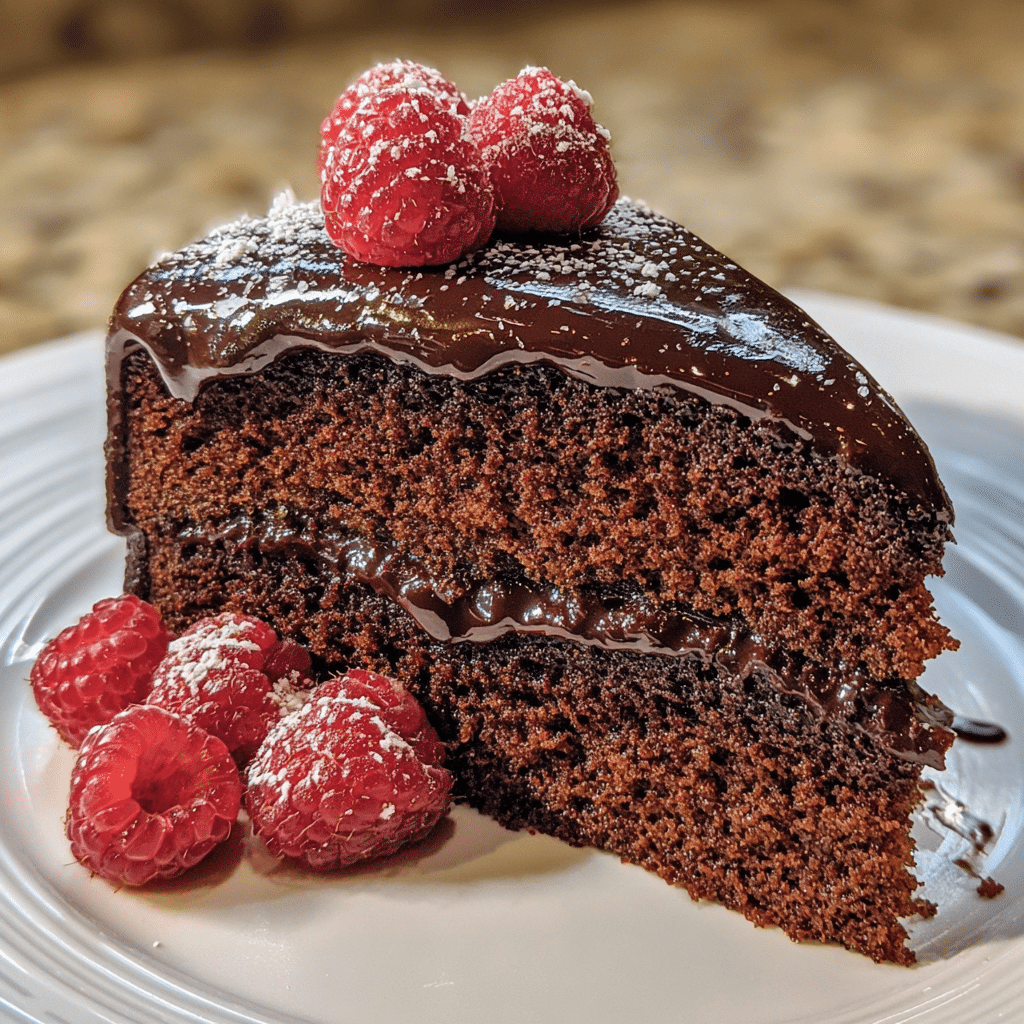
Top the cake with a light frosting, whipped cream, or fresh fruit. For a more indulgent treat, pair it with a rich chocolate ganache or a tangy cream cheese frosting.
Nutrition and Dietary Info
Approximate values per serving:
| Nutrient | Amount |
|---|---|
| Calories | 350 kcal |
| Protein | 4 g |
| Carbohydrates | 45 g |
| Fat | 18 g |
| Saturated Fat | 10 g |
| Fiber | 2 g |
| Sugar | 24 g |
| Sodium | 250 mg |
Expert Tips & Customizations
Avoid Overmixing
Overmixing the batter can create a dense, dry cake. Mix the ingredients until just combined for the best results.
Use Cake Flour
If you’re after a super soft, tender cake, consider using cake flour instead of all-purpose flour. It’s lighter and results in a fluffier crumb.
Let It Rest Before Cutting
Allow the cake to cool completely before slicing. This helps it firm up and makes for cleaner, more even slices.
FAQs
Can I use a different type of milk?
Yes, you can substitute with almond milk, oat milk, or even buttermilk for a slightly different texture and flavor.
How do I prevent the cake from becoming dry?
Ensure you don’t overbake the cake and that you measure your ingredients accurately. The addition of fat (butter, oil) and sugar also helps retain moisture.
Can I use oil instead of butter?
Yes, you can replace the butter with vegetable oil or canola oil for a slightly different texture, but the cake will still be moist and tender.
Can I make this cake ahead of time?
Yes, you can bake the cake in advance and store it in an airtight container for a few days. It actually tastes better the next day when the flavors have had time to meld.
Can I freeze this cake?
Yes, you can freeze the cake for up to 2 months. Wrap it tightly in plastic wrap and foil to prevent freezer burn.
How can I make this cake more flavorful?
Add vanilla extract or citrus zest to enhance the flavor. You can also experiment with spices like cinnamon or nutmeg.
Can I use self-rising flour?
If you use self-rising flour, reduce or eliminate the baking powder in the recipe, as self-rising flour already contains it.
Conclusion
Making a moist cake is easier than you think when you use the right techniques and ingredients. By following the tips in this article, you’ll be able to create a tender, flavorful cake every time. Whether you’re baking a simple vanilla cake or experimenting with flavors and add-ins, keeping the ingredients balanced and not overmixing will ensure a perfectly moist result. Happy baking!
Hungry for more? Visit our website for full recipes and follow us on Pinterest for daily foodie inspo you’ll love to pin!