
Introduction
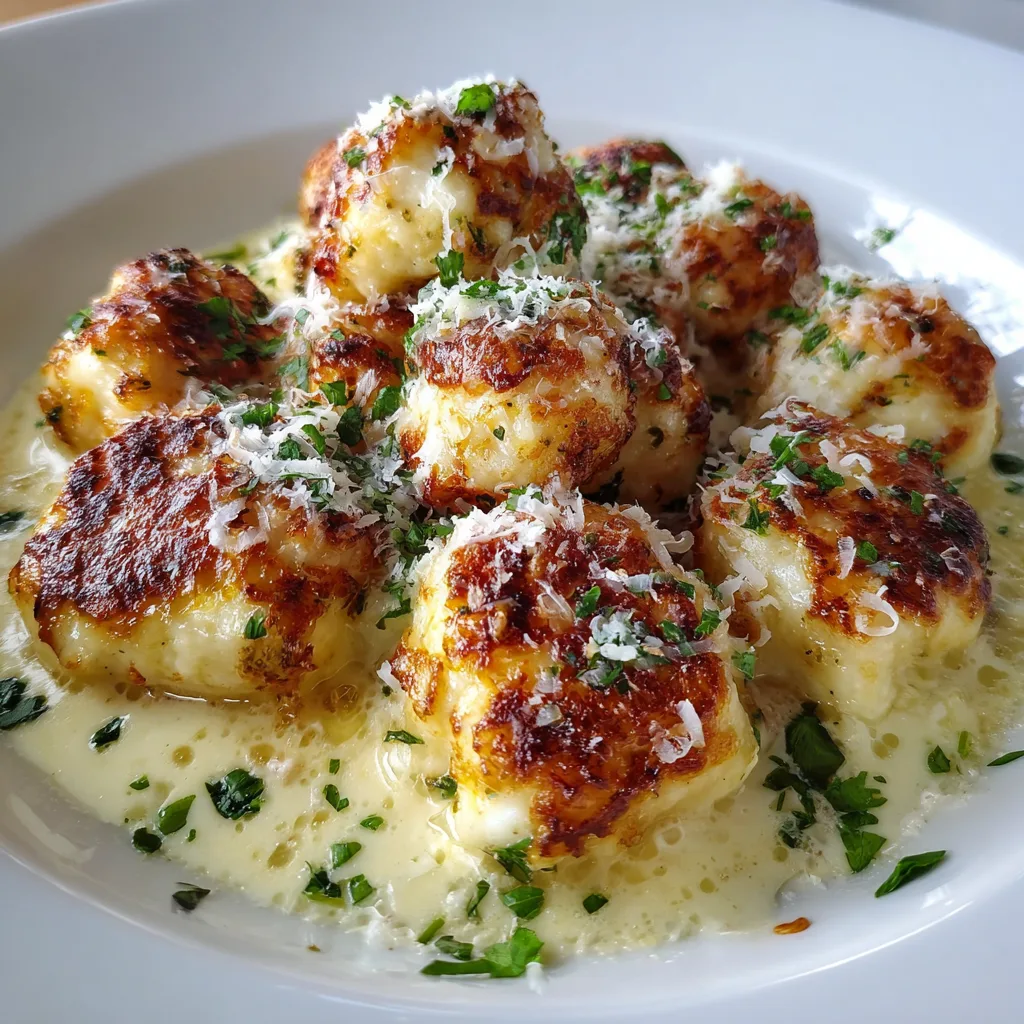
Ricotta Gnudi are delicate Italian dumplings that resemble gnocchi but are made primarily with ricotta cheese instead of potatoes. The name “gnudi” means “naked” in Italian, referring to the filling of ravioli without the pasta wrapper. These pillowy dumplings are light, tender, and wonderfully simple, allowing the creamy ricotta flavor to shine through.
I first tried making ricotta gnudi when I wanted something comforting but lighter than traditional pasta. What surprised me most was how easy the recipe is. With just a few ingredients like ricotta, Parmesan, eggs, and flour, you can create a dish that tastes like something from a cozy Italian trattoria. The dumplings gently cook in simmering water and become incredibly soft and fluffy.
Why You’ll Love This Recipe
Ricotta gnudi are a wonderful alternative to traditional pasta dishes. They are soft, light, and full of creamy flavor while requiring only a handful of simple ingredients. Because they cook quickly, the recipe is ideal for busy evenings when you want something homemade but not time-consuming. The dumplings pair beautifully with a variety of sauces, from simple browned butter to fresh tomato sauce. Their delicate texture and mild flavor make them both comforting and elegant, perfect for serving at family dinners or small gatherings.
Print
Ricotta Gnudi – Soft Italian Ricotta Dumplings with Simple Flavor
- Total Time: 30 minutes
- Yield: 4 servings
- Diet: Vegetarian
Description
Ricotta Gnudi are soft, pillowy Italian dumplings made from ricotta cheese, Parmesan, and flour, similar to the filling of ravioli but served without pasta, usually tossed in butter or light tomato sauce.
Ingredients
- 2 cups whole milk ricotta cheese
- 1/2 cup grated Parmesan cheese
- 1 large egg
- 3/4 cup all-purpose flour
- 1/4 teaspoon salt
- 1/4 teaspoon black pepper
- 1/4 teaspoon ground nutmeg
- 2 tablespoons unsalted butter (for serving)
- 6–8 fresh sage leaves (optional)
- Extra grated Parmesan cheese for garnish
Instructions
- If the ricotta is very moist, place it in a cheesecloth or fine sieve and drain for at least 30 minutes.
- In a large bowl combine ricotta, Parmesan, egg, salt, pepper, and nutmeg. Mix until smooth.
- Gradually add the flour and gently mix until a soft dough forms.
- Lightly flour your hands and shape the dough into small oval dumplings about 1 inch in size.
- Bring a large pot of salted water to a gentle boil.
- Carefully drop the gnudi into the water and cook for 2–3 minutes until they float to the surface.
- Remove with a slotted spoon.
- In a skillet, melt butter over medium heat and add sage leaves if using. Cook until fragrant.
- Toss the cooked gnudi gently in the butter sauce.
- Serve warm topped with extra Parmesan cheese.
Notes
- Draining ricotta well prevents the gnudi from becoming too soft.
- Handle the dough gently to keep the dumplings light and fluffy.
- They can also be served with a simple marinara sauce instead of butter.
- If the dough feels sticky, add a little extra flour when shaping.
- Prep Time: 20 minutes
- Cook Time: 10 minutes
- Category: Main Course
- Method: Boiling
- Cuisine: Italian
Ingredients
(Tip: You can find the complete list of ingredients and their measurements in the recipe card below.)
Ricotta cheese
Ricotta is the main ingredient in gnudi and gives the dumplings their soft, creamy texture. Whole milk ricotta works best because it provides richness and structure. If the ricotta is too watery, draining it beforehand helps produce firmer dumplings.
Parmesan cheese
Freshly grated Parmesan adds a salty, nutty flavor that enhances the mild taste of ricotta. It also helps bind the mixture slightly, giving the dumplings more structure.
Eggs
Eggs act as a binding agent in the dough. They help hold the ricotta mixture together so the dumplings maintain their shape when cooked in simmering water.
All-purpose flour
Flour provides the necessary structure for the dumplings. Only a small amount is used to keep the gnudi light and tender rather than dense.
Salt
Salt enhances the overall flavor of the dumplings and balances the richness of the cheeses.
Black pepper
Freshly ground black pepper adds a subtle warmth and mild spice that complements the creamy ricotta.
Nutmeg
A pinch of nutmeg is a traditional addition in many Italian ricotta dishes. It adds a delicate aromatic note that deepens the flavor.
Butter
Butter is often used to create a simple sauce for serving gnudi. When melted and lightly browned, it adds a rich and slightly nutty flavor.
Fresh sage
Sage leaves are commonly paired with butter sauce. They bring an earthy aroma that complements the creamy dumplings beautifully.
Directions
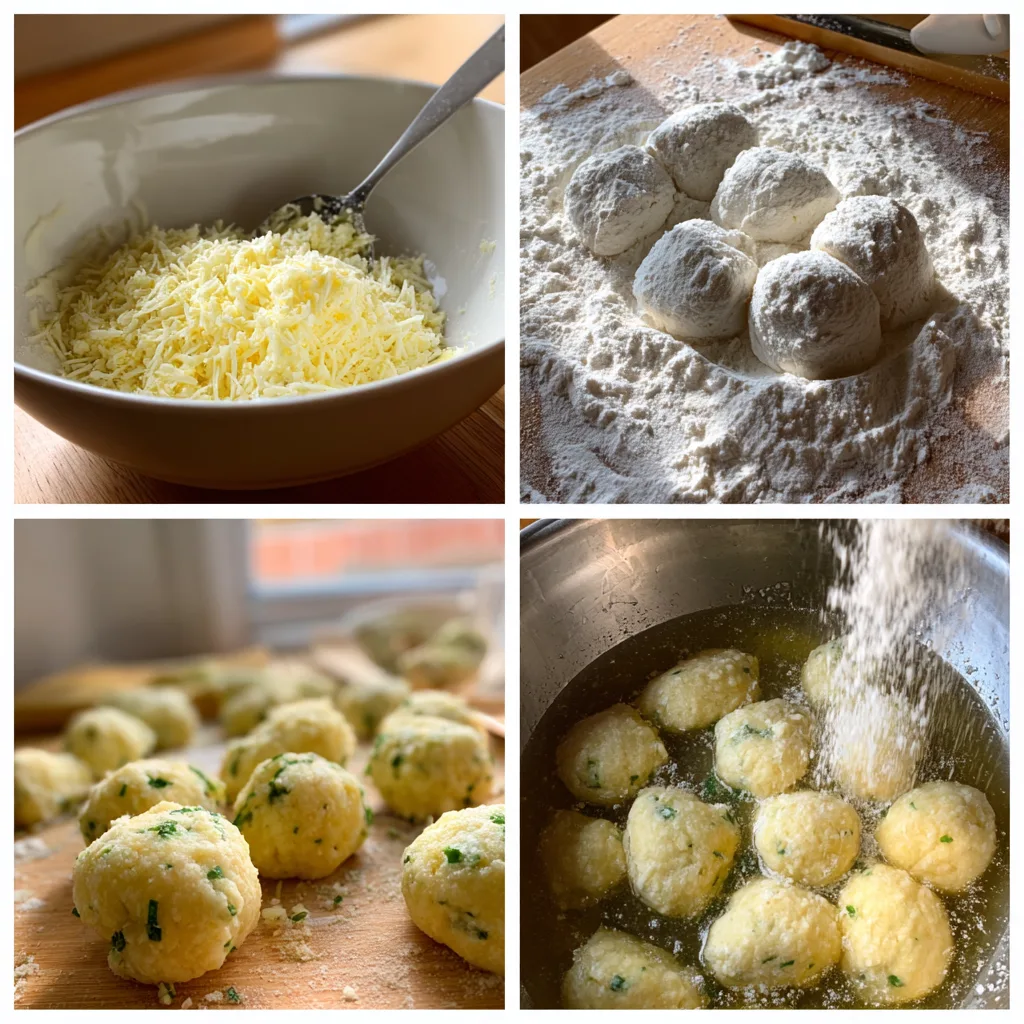
Begin by preparing the ricotta mixture. If the ricotta appears watery, place it in a fine mesh strainer or cheesecloth and allow it to drain for about 30 minutes. This step helps prevent the dough from becoming too soft.
In a mixing bowl, combine the drained ricotta, grated Parmesan cheese, eggs, salt, black pepper, and a pinch of nutmeg. Stir gently until the mixture becomes smooth and well combined. Gradually add the flour and mix until a soft dough forms. The mixture should be slightly sticky but firm enough to shape.
Lightly flour a work surface and your hands. Scoop small portions of the dough and gently roll them into small balls about the size of a walnut. Place the shaped gnudi on a floured tray while you finish forming the rest.
Bring a large pot of salted water to a gentle simmer. Carefully drop the gnudi into the water in small batches. They will sink initially and then float to the surface when cooked, which usually takes about two to three minutes. Use a slotted spoon to remove them once they float.
Meanwhile, melt butter in a skillet over medium heat and add fresh sage leaves. Allow the butter to cook until it turns lightly golden and fragrant. Transfer the cooked gnudi into the skillet and gently toss them in the butter sauce until coated. Serve immediately with extra grated Parmesan on top.
Equipment needed :
Must-Have Tools to Get Rolling
Here’s what you’ll want to have on hand:
Silicone Spatula – Durable, heat-resistant silicone spatula perfect for mixing, scraping, and spreading. Gentle on non-stick cookware and easy to clean.
Large pot – You’ll need this to boil the whole cabbage head and soften the leaves.
large bowl –Spacious, durable large bowl ideal for mixing, serving, or food preparation. Made from sturdy material and easy to clean.
Sharp knife – For coring the cabbage and slicing out the thick stem in each leaf. A paring knife works best.
Mixing bowl – A big bowl makes it easier to combine your meat and rice filling evenly.
Cutting board – For prepping cabbage leaves and rolling them like a pro.
Full-Size Blender – is a powerful kitchen appliance for making smoothies, soups, and sauces in large batches.
3-in-1 Air Fryer – This versatile 3-in-1 air fryer offers Air Fry for healthier meals with less oil, Bake for bakery-quality desserts and treats, and Reheat to bring leftovers back to life with crispy, flavorful results.
Servings and timing
This recipe typically serves 4 people. Preparation takes about 20 minutes, while cooking takes around 10 minutes, bringing the total time to approximately 30 minutes.
Storage/reheating
Cooked gnudi can be stored in an airtight container in the refrigerator for up to two days. To reheat, place them in a skillet with a little butter over low heat until warmed through. You can also briefly warm them in the microwave, though reheating in a skillet helps maintain their texture.
If you want to freeze them, freeze the uncooked gnudi on a tray until solid, then transfer them to a freezer-safe container. Cook them directly from frozen when ready to use.
Variations and Customizations
Ricotta gnudi are a wonderfully adaptable dish that can be modified in many ways while maintaining their delicate texture and flavor. Because the base mixture is simple, small adjustments can create entirely new variations.
One common customization is adding finely chopped spinach to the ricotta mixture. Spinach gnudi are very popular in Italian cuisine and bring both color and extra flavor to the dumplings. Make sure the spinach is well drained to avoid adding excess moisture to the dough.
Herbs are another easy way to change the flavor profile. Fresh parsley, basil, or thyme can be mixed into the dough for a fresh and aromatic touch. These herbs brighten the flavor and pair well with both butter and tomato sauces.
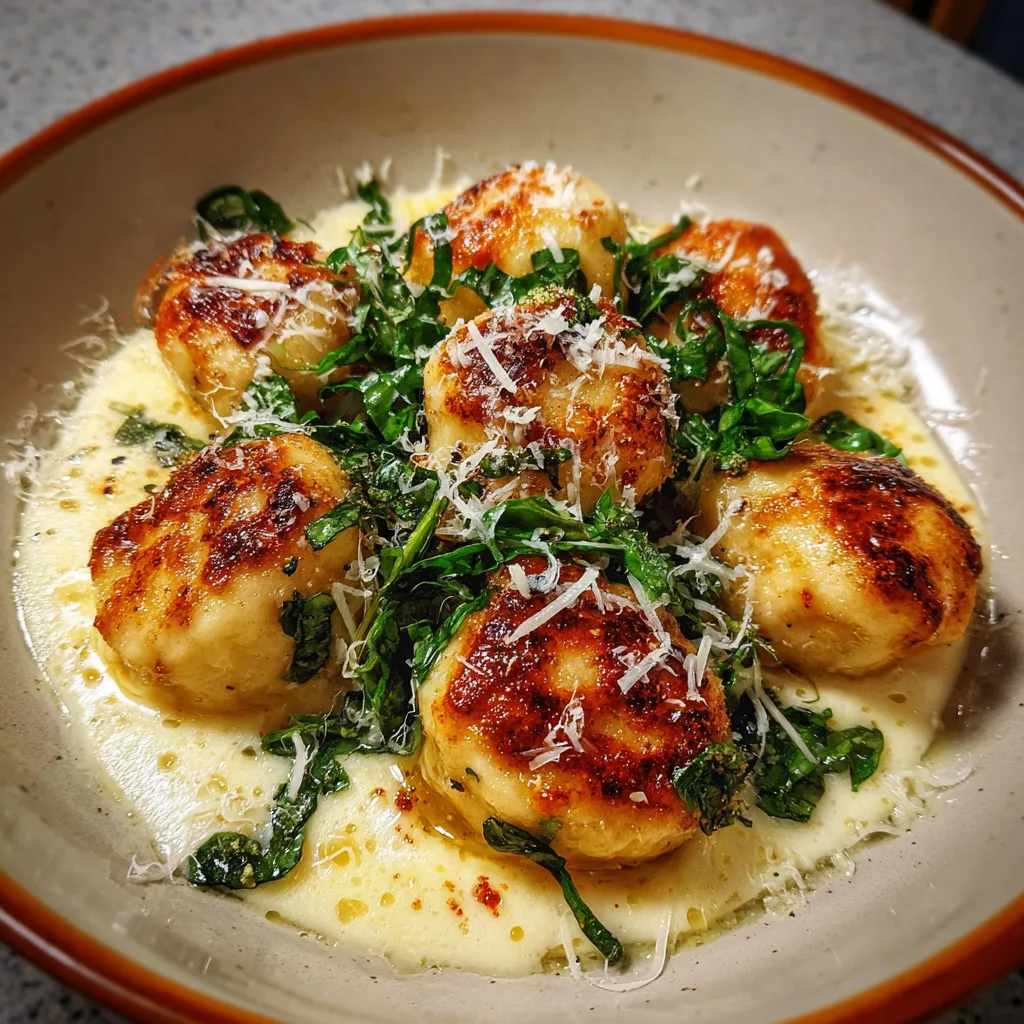
For a richer dish, consider serving gnudi with a creamy sauce instead of butter and sage. A light Parmesan cream sauce or a mascarpone-based sauce can transform the dumplings into an indulgent comfort meal.
If you prefer a slightly firmer dumpling, you can coat the shaped gnudi lightly in semolina flour before cooking. This creates a subtle outer layer that helps them hold their shape while still remaining tender.
You can also experiment with different cheeses. While Parmesan is traditional, adding a small amount of Pecorino Romano can bring a sharper, saltier flavor that complements the ricotta nicely.
Finally, gnudi pair beautifully with many toppings such as roasted vegetables, sautéed mushrooms, or a simple marinara sauce. These additions make the dish heartier and suitable for a full main course meal.
Nutrition and Dietary Info
Approximate nutritional values per serving.
| Nutrient | Amount per Serving |
|---|---|
| Calories | 340 kcal |
| Protein | 18 g |
| Carbohydrates | 18 g |
| Fat | 22 g |
| Saturated Fat | 13 g |
| Fiber | 1 g |
| Sugar | 2 g |
| Sodium | 480 mg |
Expert Tips & Customizations
Drain the ricotta well
Removing excess moisture prevents the gnudi from becoming too soft or falling apart during cooking.
Use minimal flour
Adding too much flour can make the dumplings dense, so use just enough to hold the mixture together.
Cook in gently simmering water
Avoid a strong boil, as it can break apart the delicate dumplings.
Test one dumpling first
Cooking a single gnudi first helps confirm the texture and ensures the mixture holds together.
Serve immediately
Gnudi taste best fresh from the pan when the texture is light and tender.
FAQs
What does gnudi mean?
Gnudi means “naked” in Italian and refers to ravioli filling served without the pasta wrapper.
Are gnudi the same as gnocchi?
They are similar in shape but different in ingredients. Gnudi are made mainly with ricotta, while gnocchi are typically made with potatoes.
Can I make gnudi ahead of time?
Yes, the shaped dumplings can be prepared several hours in advance and kept refrigerated until ready to cook.
Why are my gnudi falling apart?
This usually happens if the ricotta is too wet or if there is not enough flour or egg to bind the mixture.
Can I bake gnudi instead of boiling them?
Boiling is the traditional cooking method, but baked gnudi can work when combined with sauce and cheese in a casserole-style dish.
What sauce works best with gnudi?
Classic browned butter with sage is the most traditional option, but tomato sauce or light cream sauces also pair very well.
Conclusion
Ricotta gnudi are a beautiful example of simple Italian cooking, where a few quality ingredients come together to create something truly special. These soft and delicate dumplings are easy to prepare yet elegant enough for a special meal. Whether served with butter and sage, tomato sauce, or a creamy topping, ricotta gnudi offer a comforting dish that highlights the rich and creamy flavor of ricotta cheese.
Hungry for more? Visit our website for full recipes and follow us on Pinterest for daily foodie inspo you’ll love to pin!