
Introduction
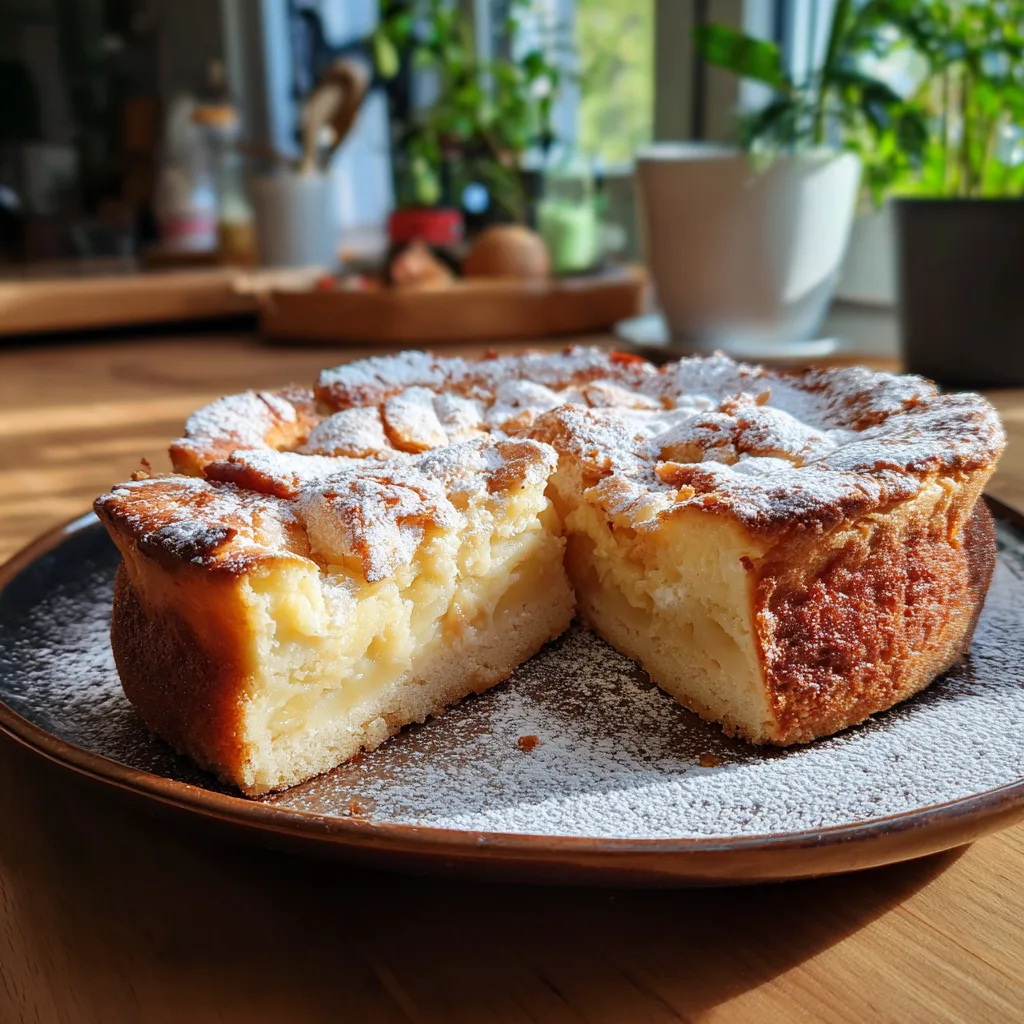
German Käsekuchen is a beloved dessert known for its light texture and delicate balance of sweetness and tanginess. Unlike the dense American-style cheesecake, this traditional German version is made with quark cheese, giving it a softer, fluffier consistency and a fresh dairy flavor. It is a classic cake often served during family gatherings, holidays, or as a comforting afternoon treat alongside coffee.
The first time I baked a German Käsekuchen, I was surprised by how airy and smooth the filling turned out compared to regular cheesecake. I once experimented by adding a little lemon zest, and it brought a wonderful brightness that made the cake even more refreshing. This cake is not overly sweet, which is why many people enjoy it with fresh fruit or a dusting of powdered sugar.
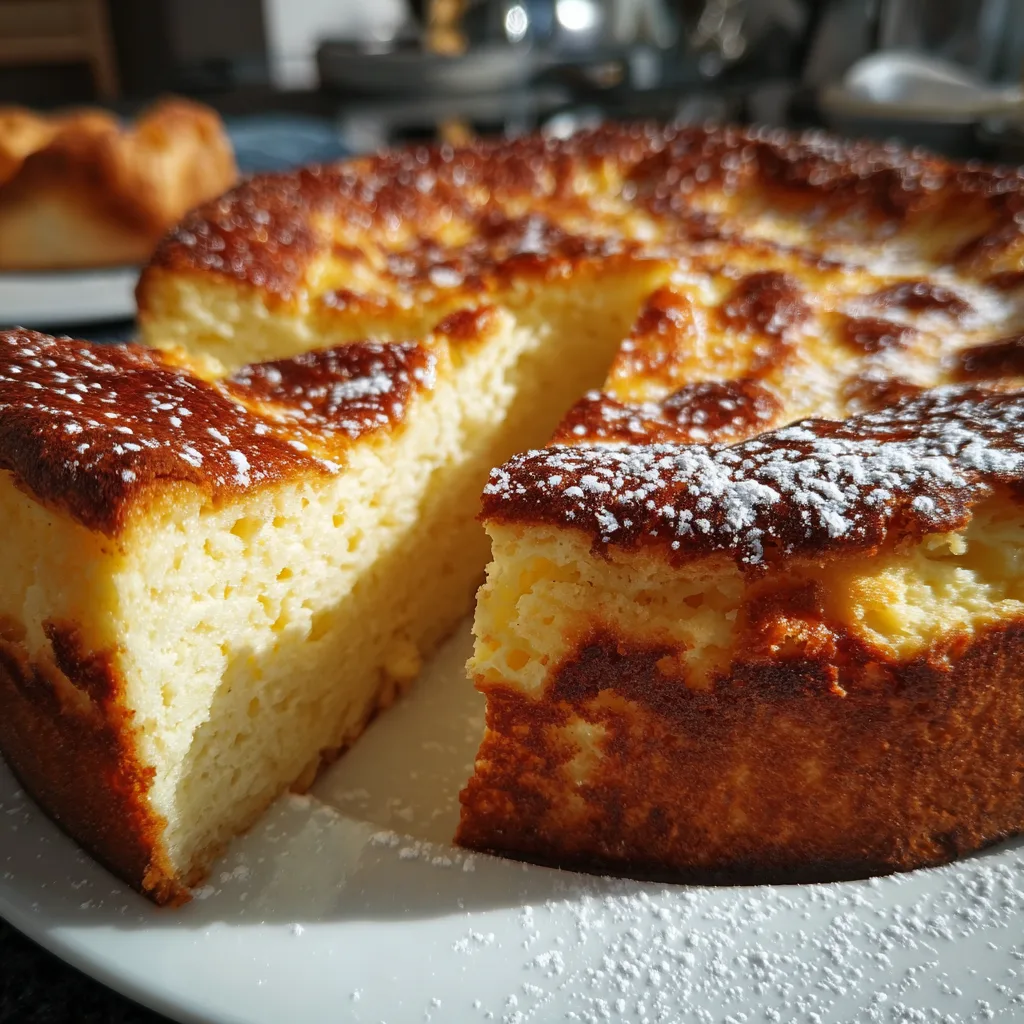
German Käsekuchen combines a simple buttery crust with a creamy filling that bakes into a golden, slightly firm top. Its elegant simplicity makes it a timeless dessert that feels both rustic and refined.
Why You’ll Love This Recipe
German Käsekuchen stands out for its incredibly light and creamy texture. The use of quark cheese gives the filling a smooth consistency that is less heavy than traditional cheesecake, making it perfect for those who prefer a dessert that is rich but not overwhelming.
Another reason this cake is loved by many is its balanced flavor. The slight tanginess of the cheese pairs beautifully with the subtle sweetness of the filling and the buttery crust. It creates a harmonious dessert that feels satisfying without being too sugary.
This recipe is also wonderfully versatile. You can keep it traditional or add ingredients such as raisins, lemon zest, or vanilla for extra flavor. The cake also stores well and tastes even better the next day, making it ideal for preparing ahead of time for gatherings or special occasions.
Print
German Käsekuchen
- Total Time: 1 hour 20 minutes
- Yield: 10 servings
- Diet: Vegetarian
Description
German Käsekuchen is a classic creamy cheesecake made with quark, featuring a light, slightly tangy filling baked in a buttery pastry crust.
Ingredients
- 2 cups all-purpose flour
- 1/2 cup granulated sugar
- 1 teaspoon baking powder
- 1/2 cup unsalted butter, softened
- 1 large egg
- 1 tablespoon milk
- 500 g quark (or well-drained ricotta as substitute)
- 1 cup granulated sugar
- 3 large eggs
- 1 cup heavy cream
- 1/4 cup unsalted butter, melted
- 1/4 cup cornstarch
- 1 tablespoon lemon juice
- 1 teaspoon vanilla extract
- Zest of 1 lemon
- Pinch of salt
Instructions
- Preheat the oven to 350°F (175°C). Grease a 9-inch springform pan.
- In a bowl, mix flour, sugar, and baking powder. Add softened butter, egg, and milk and knead into a smooth dough.
- Press the dough evenly into the bottom and about 1 inch up the sides of the prepared springform pan. Chill in the refrigerator while preparing the filling.
- In a large bowl, whisk together quark, sugar, eggs, heavy cream, melted butter, cornstarch, lemon juice, vanilla extract, lemon zest, and salt until smooth.
- Pour the filling into the prepared crust and smooth the top.
- Bake for 55–65 minutes until the center is mostly set but still slightly wobbly.
- Turn off the oven, open the door slightly, and allow the cheesecake to cool slowly inside for about 30 minutes.
- Remove from the oven and let cool completely before refrigerating for at least 3 hours before serving.
Notes
- Quark is traditional; if unavailable, use ricotta that has been drained well.
- Cooling the cheesecake slowly helps prevent cracks.
- For extra flavor, add a handful of raisins soaked in rum.
- The cake tastes even better the next day after chilling overnight.
- Dust with powdered sugar before serving if desired.
- Prep Time: 20 minutes
- Cook Time: 60 minutes
- Category: Dessert
- Method: Baking
- Cuisine: German
Ingredients
(Tip: You can find the complete list of ingredients and their measurements in the recipe card below.)
Quark cheese
Quark is the traditional cheese used in German Käsekuchen and is responsible for its signature light and creamy texture. It has a mild flavor and smooth consistency that creates the perfect cheesecake filling.
All-purpose flour
Flour is used in the crust and sometimes in small amounts within the filling to help stabilize the cake during baking.
Butter
Butter gives the crust its rich, tender texture and adds a slightly nutty flavor that complements the creamy filling.
Sugar
Sugar sweetens both the crust and the filling while balancing the natural tanginess of the quark cheese.
Eggs
Eggs provide structure and help create a light, airy filling as the cake bakes. They also contribute to the smooth texture of the cheesecake.
Vanilla extract
Vanilla enhances the flavor of the filling, adding warmth and depth to the overall dessert.
Lemon zest
Lemon zest adds a subtle brightness that complements the creamy filling and enhances the traditional flavor profile of Käsekuchen.
Milk
Milk helps thin the filling slightly, ensuring it bakes into a smooth and delicate texture.
Cornstarch
Cornstarch stabilizes the cheesecake filling and helps it set properly while maintaining a soft, creamy consistency.
Salt
A small pinch of salt enhances the sweetness and balances the flavors in both the crust and filling.
Directions
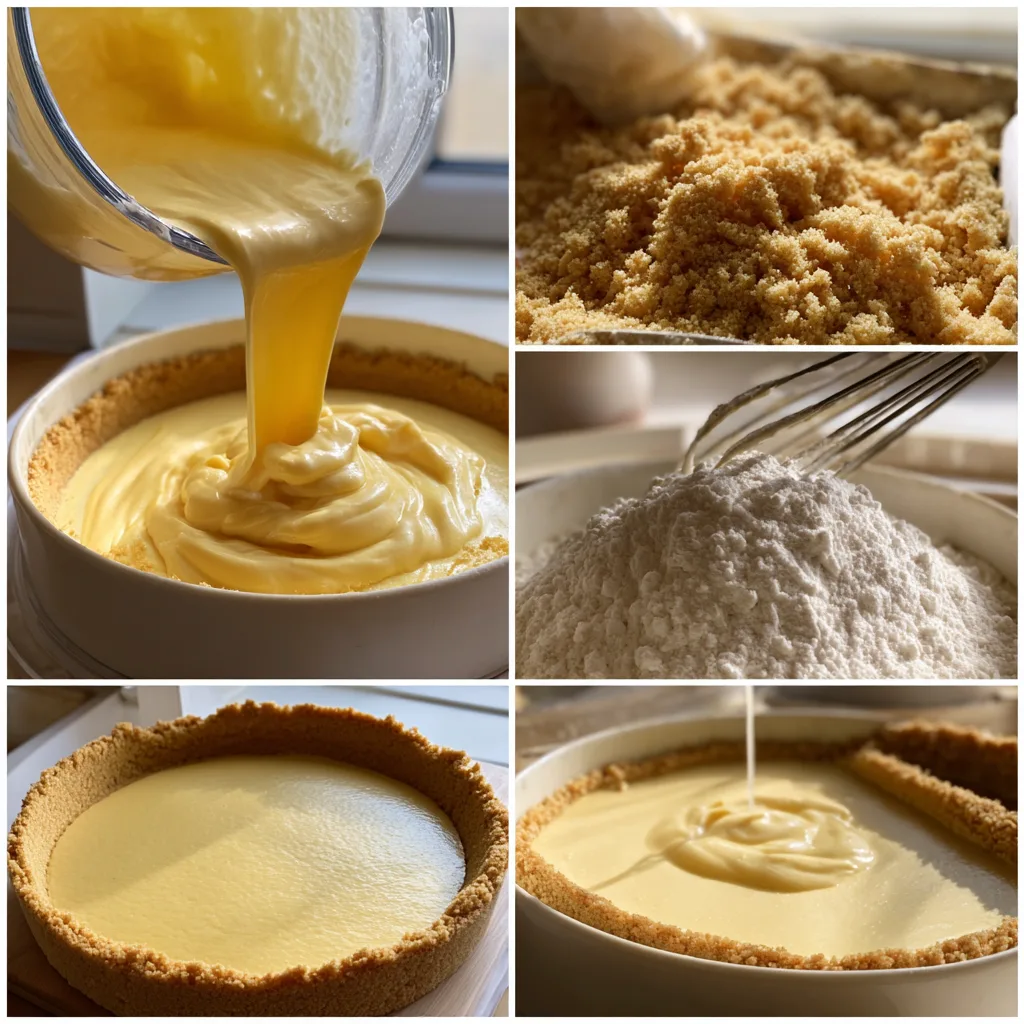
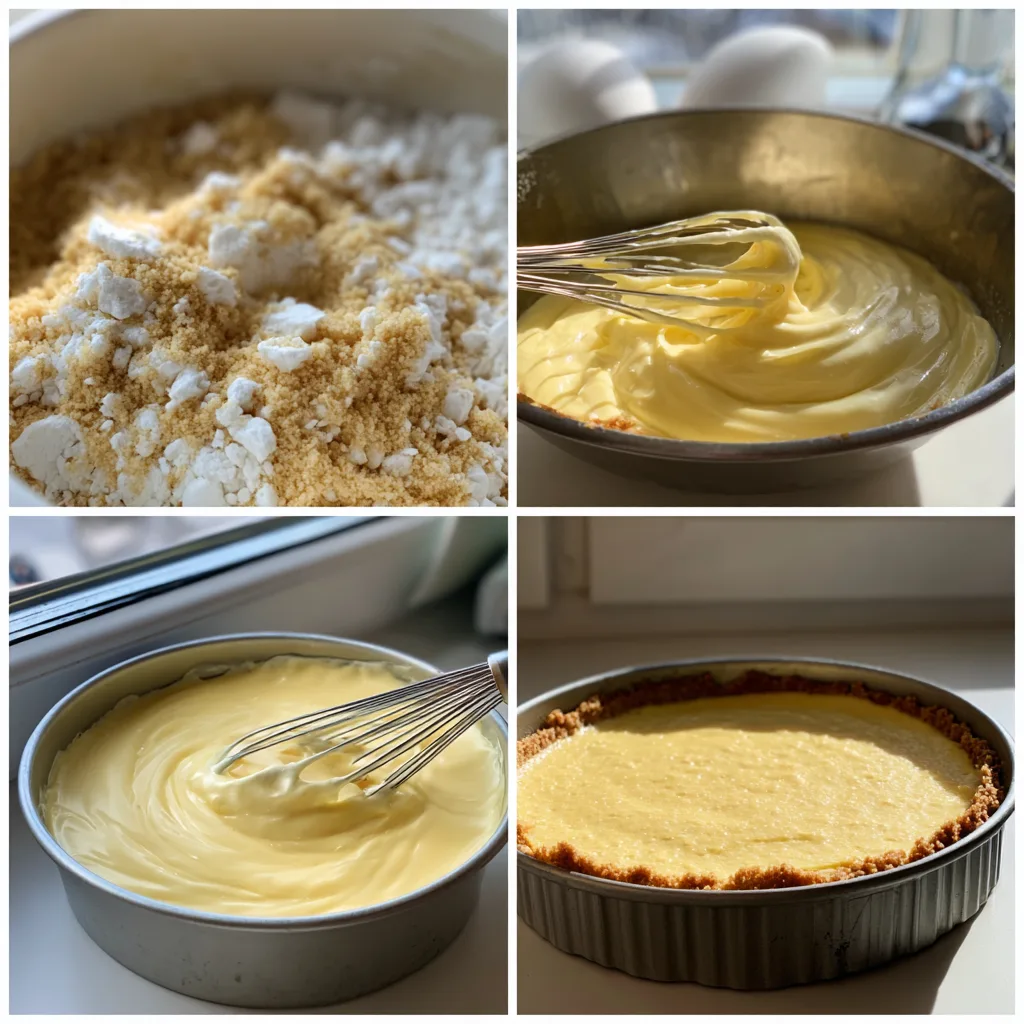
Start by preparing the crust. In a mixing bowl, combine flour, sugar, butter, and a pinch of salt. Mix until the dough becomes crumbly, then knead it lightly until it forms a smooth dough. Press the dough evenly into the bottom of a springform pan, creating a thin base and slightly raised edges.
Next, prepare the filling. In a large bowl, whisk together the quark cheese, sugar, eggs, vanilla extract, lemon zest, milk, and cornstarch until the mixture becomes smooth and creamy. Make sure there are no lumps so the cheesecake bakes evenly.
Pour the filling over the prepared crust and smooth the surface gently with a spatula.
Bake the cake in a preheated oven at 350°F (175°C) for about 55–60 minutes, or until the center is set but still slightly soft. The top should turn lightly golden.
Once baked, allow the cake to cool completely in the pan. As it cools, the filling will firm up while maintaining its creamy texture. Refrigerate for at least two hours before serving for the best flavor and consistency.
Equipment needed :
Must-Have Tools to Get Rolling
Here’s what you’ll want to have on hand:
Silicone Spatula – Durable, heat-resistant silicone spatula perfect for mixing, scraping, and spreading. Gentle on non-stick cookware and easy to clean.
Large pot – You’ll need this to boil the whole cabbage head and soften the leaves.
large bowl –Spacious, durable large bowl ideal for mixing, serving, or food preparation. Made from sturdy material and easy to clean.
Sharp knife – For coring the cabbage and slicing out the thick stem in each leaf. A paring knife works best.
Mixing bowl – A big bowl makes it easier to combine your meat and rice filling evenly.
Cutting board – For prepping cabbage leaves and rolling them like a pro.
Full-Size Blender – is a powerful kitchen appliance for making smoothies, soups, and sauces in large batches.
3-in-1 Air Fryer – This versatile 3-in-1 air fryer offers Air Fry for healthier meals with less oil, Bake for bakery-quality desserts and treats, and Reheat to bring leftovers back to life with crispy, flavorful results.
Servings and timing
This recipe yields approximately 10 servings.
Preparation time: 20 minutes
Cooking time: 60 minutes
Total time: about 1 hour 20 minutes plus chilling time
Storage/reheating
German Käsekuchen should be stored in the refrigerator once it has cooled completely. Cover the cake or place it in an airtight container to maintain freshness.
The cheesecake will stay fresh in the refrigerator for up to four days. Many people find that the flavor improves after the first day as the filling fully sets and the flavors blend together.
If you wish to freeze the cake, wrap individual slices tightly in plastic wrap and store them in an airtight container for up to two months. Thaw the slices overnight in the refrigerator before serving.
This cheesecake is typically served chilled, so reheating is not necessary.
Variations and Customizations
German Käsekuchen can be adapted in many ways while still preserving its classic character. One common variation includes adding raisins to the filling. The raisins provide a pleasant sweetness and a slightly chewy texture that contrasts nicely with the smooth cheesecake.
Another popular option is to incorporate fresh fruit. Cherries, blueberries, or raspberries can be added directly to the filling or placed on top after baking. The fruit adds brightness and creates a beautiful presentation.
Some bakers enjoy experimenting with citrus flavors. In addition to lemon zest, you can include a small amount of orange zest for a deeper citrus aroma. This variation pairs especially well with the creamy quark filling.
For those who cannot find quark, a mixture of cream cheese and Greek yogurt can serve as a substitute. This combination mimics the tangy flavor and smooth texture of quark while remaining accessible in many kitchens.
Another interesting customization involves the crust. Instead of the traditional shortcrust base, some people prefer a graham cracker or biscuit crust for a slightly sweeter and crunchier foundation.
These variations allow you to tailor the cheesecake to your preferences while still maintaining the light and creamy essence that defines German Käsekuchen.
Nutrition and Dietary Info
Below is the approximate nutritional information per serving.
| Nutrient | Amount per Serving |
|---|---|
| Calories | 320 kcal |
| Protein | 11 g |
| Carbohydrates | 32 g |
| Fat | 16 g |
| Saturated Fat | 9 g |
| Fiber | 1 g |
| Sugar | 18 g |
| Sodium | 180 mg |
Expert Tips & Customizations
Use room temperature ingredients
Allow eggs and dairy ingredients to reach room temperature before mixing to achieve a smoother filling.
Do not overmix the batter
Mixing too vigorously can introduce too much air, which may cause the cheesecake to crack during baking.
Bake until slightly set in the center
The cheesecake should still have a slight wobble in the center when removed from the oven; it will firm up as it cools.
Allow proper chilling time
Chilling the cake for several hours improves both the texture and flavor.
Use parchment paper for easy removal
Lining the bottom of the pan with parchment paper helps prevent sticking and ensures clean slices.
FAQs
What is the difference between German Käsekuchen and American cheesecake?
German Käsekuchen uses quark cheese, giving it a lighter texture and tangier flavor compared to the dense cream cheese base of American cheesecake.
Can I make Käsekuchen without quark?
Yes, you can substitute quark with a mixture of cream cheese and Greek yogurt to achieve a similar texture and flavor.
Why did my cheesecake crack?
Cracks often occur when the cake is overbaked or cooled too quickly. Allowing the cake to cool gradually helps prevent this.
Can I add fruit to the cheesecake?
Yes, fresh or frozen berries can be mixed into the filling or used as a topping after baking.
How do I know when the cheesecake is done baking?
The edges should be set while the center remains slightly soft and jiggles gently when the pan is moved.
Can I freeze German Käsekuchen?
Yes, the cake freezes well when wrapped tightly and stored in an airtight container for up to two months.
Conclusion
German Käsekuchen is a timeless dessert that highlights simplicity and elegance. With its creamy quark filling, buttery crust, and balanced flavor, it offers a lighter alternative to traditional cheesecake while still delivering a rich and satisfying taste. Whether served plain, topped with fruit, or paired with coffee, this classic German cake remains a favorite for both casual gatherings and special occasions.
Hungry for more? Visit our website for full recipes and follow us on Pinterest for daily foodie inspo you’ll love to pin!